
December 1, 2025
A guest blog by Henry Patterson, CAA Board member and host of CAA’s Vegan Recipe Club

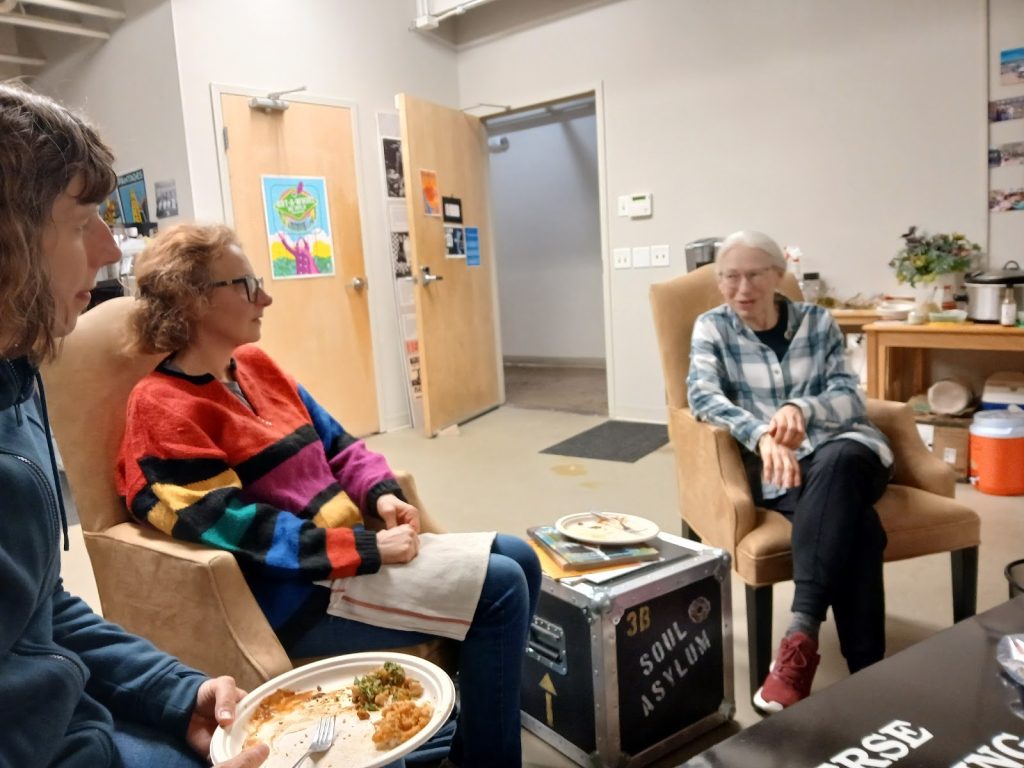
I’ve been hosting CAA’s Monthly Vegan Recipe Club since July 16, 2019. In that time we’ve explored recipes from almost 85 vegan cookbooks. As a group we’ve been trying and sharing our thoughts about the many vegan cookbooks and recipes. We meet over Zoom most of the year, but 2 or 3 times a year we meet in-person for a potluck sharing recipes from one of the cookbooks or a favorite recipe.
Every year we skip the Recipe Club meeting in December due to the pressure of the holidays. However we don’t want to leave you without support for a plant-based celebration. If you’re looking for vegan holiday recipes you should check out Vegan Holiday Kitchen by Nava Atlas. If you’re looking for a great vegan holiday dessert try Gaz Oakley’s Sticky Gingerbread Cake from his Plants Only Kitchen Cookbook, pg.207.
Common Challenges for Vegans at Holiday Meals
Being a vegan during the holiday season can be rough, challenging and sometimes isolating. So it is important to remember that being vegan is a journey, an exploration, not a race with a finish line.
- Traditional recipes rely on animal products: Many classic holiday dishes are made with meat, dairy, or eggs. Common culprits include butter in mashed potatoes and rolls, chicken stock in stuffing, milk in green bean casserole, and gelatin in cranberry sauce.
- Lack of awareness from hosts: A host may not fully understand what a vegan diet entails, assuming that removing the meat from a dish is sufficient. They may overlook hidden animal products like beef broth or dairy in seemingly vegan side dishes.
- Limited choices: At many potlucks or dinners, the only truly vegan options might be plain vegetables or a simple salad, leaving vegan guests with an unsatisfying meal. More likely the only items/dishes you can eat are those dishes you bring yourself.
- Risk of cross-contamination: Shared serving utensils can contaminate vegan dishes with animal products. If a host is accommodating, it’s helpful to suggest they use separate utensils and keep vegan dishes in a separate area of the buffet.
- Feeling excluded or singled out: Being the only vegan at a gathering can be isolating, especially when the conversation revolves around food you can’t eat. Some vegans also face insensitive questions or jokes about their diet from family members.


Ways to Overcome the Challenges
The following are some ways that vegan guests can take proactive steps to ensure they have an enjoyable and filling meal.
- Communicate with the host, family and/or friends: A few weeks before the event, let the host (or family & friends) know you are vegan. This gives them time to plan and avoids any last-minute stress.
- Share some of your favorite, simple, limited ingredient recipes with the host, and/or close friends.
- Suggest ingredient lists for the dishes on the buffet: Suggest to the host that those bringing dishes should include an ingredient list for all of the common food allergens, and dietary restrictions.
The reality is that everyone can eat vegan food making it the perfect option for buffets because it removes the question-mark (can I? OR can’t I?) from literally every dish. Ensure it’s also entirely gluten-free, and nut-free and you will most certainly have food allergy friends for life!
Sample Format for Ingredient Lists
- Dish Name: A clear, descriptive name (e.g., “Southwestern Pasta Salad”). Include ingredient list, list common allergens, mark
- Allergen Status: Clearly state if the dish contains any of the “Big 9” major food allergens. You can also use abbreviations like:
- N: Nuts (specify type, e.g., walnuts, almonds);
- P: Peanuts
- GF: Gluten-Free
- D: Dairy
- H: Honey
- E: Eggs
- S: Soybeans
- F: Fish
- SF: Shellfish
- SE: Sesame
- Vegan Status: Clearly mark “Vegan” if the dish contains no animal products, such as meat, dairy, eggs, fish, gelatin or honey. Labeling a dish “Vegetarian” is different and means it may still contain dairy or eggs.

Being vegan during the holidays can feel challenging at times, but it’s also an opportunity to get creative, share delicious plant-based dishes, and connect with friends and family around food that’s kind to animals, the planet, and your health. With a little planning, communication, and thoughtful labeling, you can ensure everyone at the table feels included—and that there’s plenty to enjoy.
Remember, veganism is a journey, not a race, and even small steps toward compassionate eating can make a big difference. We hope these tips and recipe ideas help you have a joyful, satisfying, and truly compassionate holiday season.