Breaking news! Hennepin County, MN, just adopted an administrative policy requiring plant-based food to be served by default at county-sponsored meetings and events. Animal-based foods, such as meat and dairy, will remain available upon request.
Wholesome Minnesota and Civic Plate, collaborated with an outstanding team of volunteers and County Commissioner Goettel to develop this policy which champions public health and inclusivity.
By adopting a default plant-based policy, the County seeks to expand food choices at internal meetings and county-hosted public events. This means plant-based meals will be the standard offering, but individuals can still choose to include animal products, such as meat and dairy, if they wish. This approach ensures that nothing is taken away; instead, it adds more options for everyone. This policy has the potential to spare countless animals, promote public health, and mitigate the environmental impacts of industrial animal agriculture.
Earlier this year, the coalition conducted a public opinion survey in Hennepin County to gauge support for a policy aimed at increasing access to plant-based foods. The results revealed that a significant majority of residents (69.5%) support a policy encouraging the county government to purchase plant-based foods, while an even larger majority (86.3%) believes local governments should act to reduce the environmental impact of food. Additionally, the coalition engaged with the County’s Climate and Resiliency Department and consulted with experts to help shape the policy.
Cities and counties, no matter how much or how little food they procure, can demonstrate their commitment to environmental sustainability, public health, fiscal responsibility, and inclusivity by implementing a plant-based-by-default policy.
Compassionate Action for Animals (CAA) recently sent two staff members, Jodi Gruhn, Wholesome Minnesota Director, and Kelso Anderson, Program Assistant, to the Animal Policy Alliance (APA) Summit in New Orleans. The summit brought together animal advocates from across the country to share strategies for farmed animal policy, coalition building, and advocacy. Both Jodi and Kelso returned inspired and ready to put what they learned into action in Minnesota.
Caption: APA conference attendees (Kelso back row right side and Jodi fifth from the left in the center row)
Learning Practical Tools for Farmed Animal Advocacy
Jodi described the summit as “an eye-opening experience that provided me with strategic tools for advancing our cause.” She found the “theory of change” exercise especially useful. “I’ve been using this idea for other campaigns that I’m dreaming up — it ensures a focused and cohesive plan,” she said.
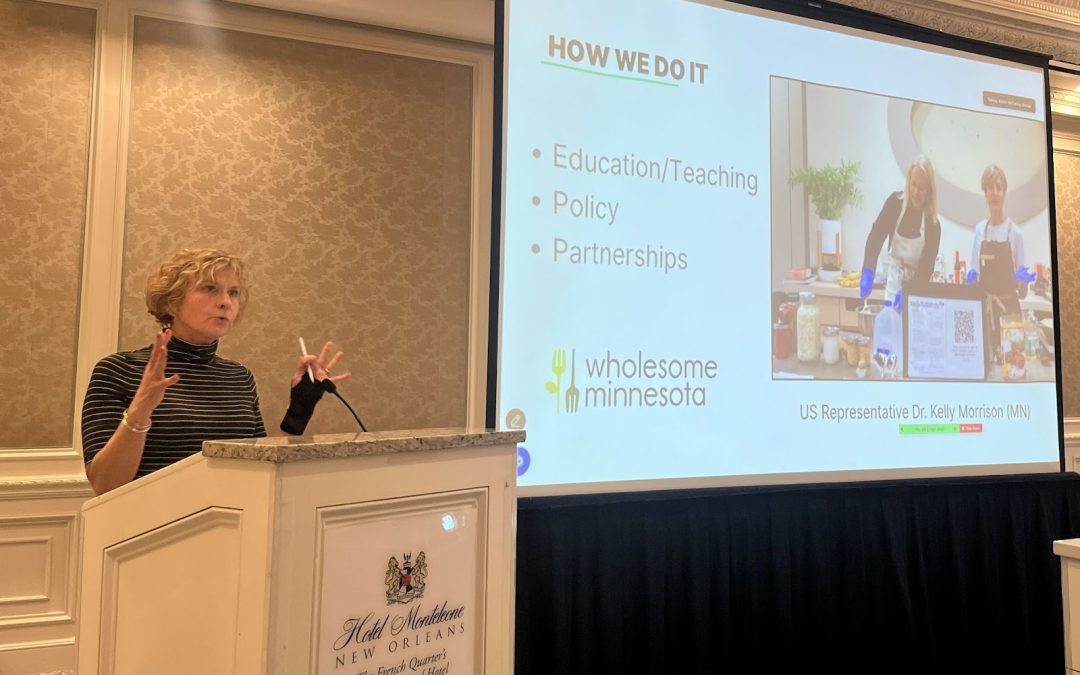
Caption and featured photo for blog: Jodi doing a presentation about Wholesome MN’s work
Jodi also highlighted her learning about the importance of understanding opponents. “Identifying our opponents is crucial. Understanding what our success would cost them and predicting their likely responses enables me to strategize effectively.” She noted that enforcement strategies are essential for successful policy work. “Enforcement was on my mind before the summit, but this only strengthened my resolve to create tools for successful implementation.”
Kelso found the summit practical and informative. “The sessions covered a wide range of practical issues in farmed-animal policy work, including coalition building, theories of change, and effective implementation and enforcement of pro-animal legislation” he said. He valued learning from experienced activists and appreciated the chance to connect with other attendees one-on-one.
Building Partnerships and Community Connections
The summit emphasized the value of collaboration. Jodi saw how forming alliances in unexpected places could strengthen advocacy efforts. Sharing knowledge and strategies with other volunteers and organizations can improve the reach and impact of farmed animal campaigns. She also learned that partnerships with unexpected groups can help expand the reach of advocacy. For example, working with egg producers on the EATS initiative allowed activists to use existing infrastructure to help animals.
Kelso also noted that unstructured networking time was valuable. He said he “left with several new ideas — big and small — to help farmed animals” and planned to continue following up on these connections to expand learning and collaboration.
Fundraising was another focus of the summit. They learned that small-donor campaigns can connect activists with local communities and build long-term support. Jodi also pointed out that she learned that awards ceremonies can be a strategic tool.
Experiencing New Orleans and Local Vegan Cuisine
The summit was held at the historic Hotel Monteleone in the French Quarter. Both staff members enjoyed exploring New Orleans and trying local vegan cuisine. Jodi shared that she “devoured a Southern vegan po’ boy and beignets” at a lively outdoor market. Kelso sampled vegan crabcakes, an Impossible po’ boy, and beignets, noting the city has many vegan-friendly restaurants.
Evenings included group dinners and optional outings that encouraged informal discussion and networking. The hotel provided fully vegan breakfasts each morning, including vegan sausages and tofu scramble. These meals and experiences strengthened the sense of community among all summit participants.
Applying Summit Lessons at CAA
Jodi and Kelso have plans for putting their summit insights to work at CAA. Jodi is using the theory of change and enforcement strategies to improve tools for Wholesome Minnesota’s plant-based school meal program. Kelso plans to use coalition building and implementation strategies to enhance farmed animal advocacy across the state.
The summit reinforced that both strategy and personal connections are essential for effective advocacy. Jodi emphasized careful planning, understanding opponents, and focusing on enforcement as key to policy success. Kelso highlighted the importance of networking and learning from experienced activists.
Advancing Plant-Based Advocacy in Minnesota
The APA Summit experience will help CAA staff strengthen their programs and impact for farmed animals. From creating practical tools for plant-based school meals to building stronger community networks, Jodi and Kelso plan to apply new strategies to expand animal protection efforts in Minnesota.
Both staff members agree the summit was a unique chance to learn, connect, and get inspired to create positive change for farmed animals.
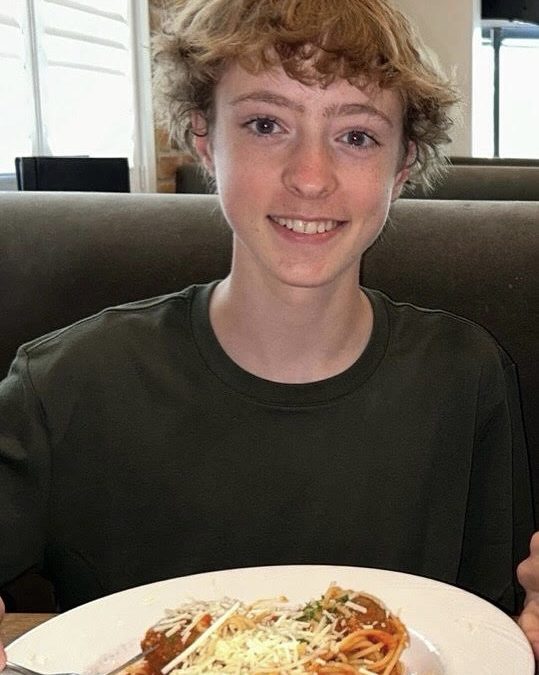
Since April 2025, CAA volunteer Charlie Cannon has been lending his time and energy to Compassionate Action for Animals’ plant-based meal program at Simpson Housing Services in Minneapolis. Charlie first got involved thanks to his mother, Nicola Philpott, who coordinates the program and has been instrumental in organizing volunteers. Nicola encouraged 14-year-old Charlie to join the kitchen team, saying, “It’s a great way for young people to learn about cooking, giving back, and serving their community — all while enjoying plant-based food.”
The Simpson Housing Program
Simpson Housing provides shelter and meals for people experiencing homelessness, offering beds for 66 individuals and three meals a day, every day of the year. Some of these meals are prepared and served by volunteer groups coordinated through CAA. Charlie’s first shift in the kitchen was back in April, helping to cook a hearty plant-based lunch. Since then, he has volunteered in the kitchen 10 times, preparing and serving nutritious dishes to Simpson’s shelter guests.
Joining the Team
Charlie’s interest in volunteering started when he and his family participated in a CAA bike crawl, where he got to explore local restaurants and enjoy plant-based food. “It was really fun, and the food was very good,” he says. “I loved stopping for breaks at different restaurants and trying the dishes.” When Nicola suggested he come along to help at Simpson Housing, he jumped at the chance, eager to combine his love of cooking with helping others.
Delighting Guests With Plant-Based Meals
For Charlie, volunteering is about more than cooking — it’s about connecting with the people he’s serving. Meals at Simpson include everything from stir-fries and enchiladas to tater tot hot dishes, sloppy joes, noodle casseroles, and chili with cornbread. “I enjoy helping people, contributing to my community, and eating good food,” Charlie says. His favorite part is seeing guests enjoy the meals he helped prepare and knowing he’s making a positive impact.
Growing the Program and Community Partnerships
Under Nicola’s guidance, the Simpson meal program has expanded to include two meals per month, with more during the summer. The program also partners with local environmental and climate groups, such as Citizens’ Climate Lobby Minneapolis and the Climate & Environmental Justice group at Plymouth Congregational Church, to provide low-carbon-footprint plant-based meals. Volunteers help prepare the food, while partners contribute toward ingredient costs, allowing Simpson to focus resources on housing and supporting their guests.
A Young Volunteer Making a Difference
Outside of CAA, Charlie enjoys video games, playing tennis, and practicing piano and cello. Even at 14 years old, he demonstrates how young people can make a real difference in their communities. “I think other kids my age would enjoy cooking food in a kitchen to help people,” he says. Charlie’s story shows that volunteering isn’t just about helping — it’s about learning, connecting, and growing while supporting a compassionate mission.
Join the Effort
Working alongside Charlie and other volunteers, CAA continues to serve nutritious plant-based meals to Simpson Housing guests. Anyone interested in volunteering can sign up at the CAA Volunteer Page, and donations to support the plant-based meal program can be made at GiveMN. Nicola adds, “It’s inspiring to see young volunteers like Charlie step up. Together, we’re making a difference for people, animals, and the planet.”
Thank You, Charlie
We are deeply grateful for Charlie’s compassion, dedication, and joyful spirit. His volunteer work helps create a more compassionate Minnesota for people and animals. Thank you, Charlie, for everything you do. We’re lucky to have you as part of the CAA family.
Inspired by Charlie? Get Involved With CAA!
If Velma’s story inspires you, consider supporting our work by volunteering, donating, or exploring creative options like matching grants through your employer. Together, we’re creating a more compassionate world for animals, people, and our planet.
Past Volunteer Spotlights
Want to meet more of our amazing volunteers? Explore these past volunteer profiles:
Volunteers drive everything we accomplish. Last year, more than 280 volunteers donated over 6,263 hours of their time — more than $125,000 in value to CAA! They’ve also gained valuable advocacy skills, leadership experience, and lasting friendships in our community.
Our mission is to encourage people to embrace their empathy for farmed animals and move toward a plant-based diet. This drives our vision of a world where all animals, human and nonhuman, can thrive.
We grow our movement by welcoming people of all backgrounds. Through our programs, events, and activities, we create a powerful cycle of increasing awareness, building community, empowering advocates, and generating lasting change for farmed animals. This approach targets both individual and institutional change.
What kind of change do we create? Our programs reduce consumption of animal products, improve the lives of farmed animals, and benefit the well-being of all Minnesotans.
We developed this theory of change in 2017 through comprehensive community input, including an online stakeholder survey, two public town halls, and strategic planning sessions with staff, core volunteers, and board members.
Your Skills, Our Mission
Ready to turn your compassion into action? Join our community of change-makers! Explore our volunteer opportunities to find the perfect match for your interests and skills. From hands-on roles in food service, photography, and event coordination to strategic planning for Twin Cities Veg Fest and helping to manage our website, there’s a meaningful way for everyone to contribute.
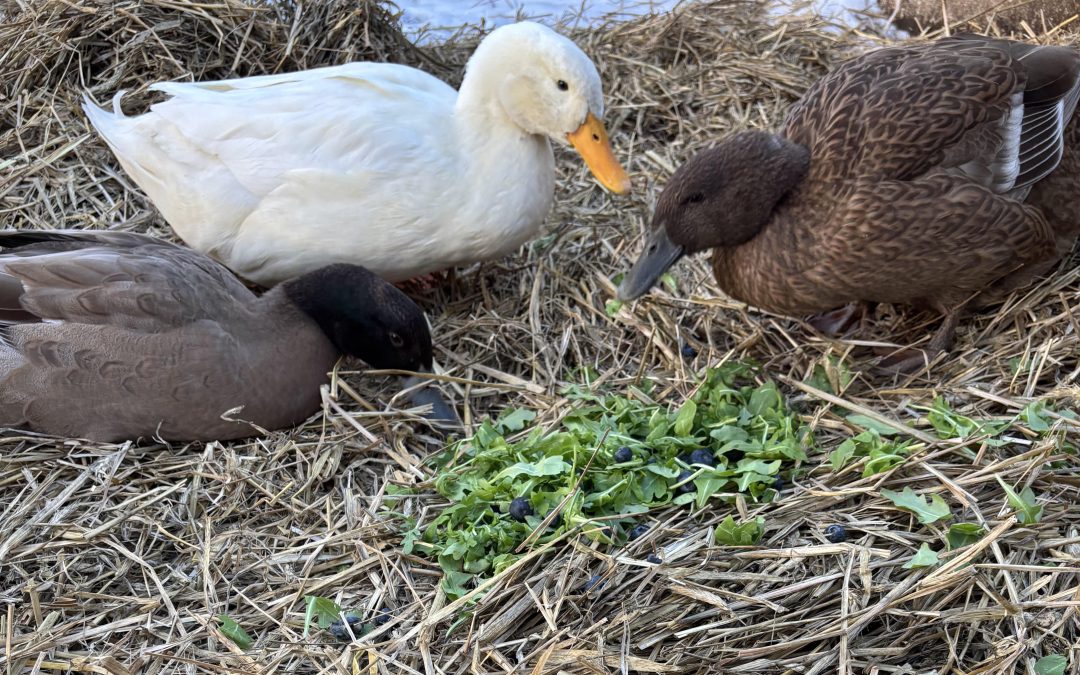
From left to right: Wesley, their friend Rupert, and Dorothy
At Compassionate Action for Animals (CAA), we know that stories have the power to connect people to animals in a meaningful way. Each month, we feature one of our sanctuary partners and highlight an animal whose life has been transformed by rescue, care, and compassion. This month, we’re thrilled to share the story of Wesley and Dorothy — two beloved Khaki Campbell ducks who now live safely at Herbivorous Acres.
Wesley, Dorothy, and their close friend Rupert are part of the original group of five ducks rescued by Herbivorous Acres back in 2019. They have lived together ever since, forming a tight little family that rarely leaves each other’s side. As Marie DuCharme, their caregiver at Herbivorous Acres, shared, “It’s impossible to get a photo of them alone. They move together everywhere — like a little duck trio.” Their bond is one of the most charming things about them, and it shows just how much animals value family and friendship. Rupert has already been profiled on our blog so this story will feature his friends Wesley and Dorothy.
How Wesley and Dorothy Found Safety
Wesley and Dorothy came from a heartbreaking situation in Scandia, Minnesota. They had been purchased as “pets” by people who didn’t realize they were bringing home domestic ducks — birds who cannot fly south for the winter and need long-term care. When the weather started to get cold in late 2019, a family member threatened to kill them if they weren’t removed right away. Herbivorous Acres stepped in just in time.
“We were very relieved we could take them,” Marie told us. “They were days away from a cruel fate.” All five ducks — Wesley, Dorothy, and the three other females they lovingly called the “Golden Girls” (Rose, Blanche, and Sophia) — were brought to the sanctuary just before winter set in. Although three of the Golden Girls have since passed, Wesley and Dorothy remain together and continue to thrive thanks to the safety and stability Herbivorous Acres provides.
Meet Wesley: A Loyal, Gentle Leader
Wesley, the drake with the dark green-brown head, is calm, private, and deeply loyal to his little flock. His favorite part of each day is simply being near Dorothy and Rupert. While he’s not as outgoing as Dorothy, he still shares in the important job of protecting their little group.
“He’s more outgoing than Rupert, but still a private gentleman,” Marie said. “He likes his duck family more than humans — and we respect that.”
Wesley and Rupert take turns watching over Dorothy, but Wesley usually steps into the lead role. His personality shows how each animal at the sanctuary has their own preferences, feelings, and way of navigating the world.
Meet Dorothy: The Confident “Leading Lady”
Dorothy, the all-brown hen, is the boldest and most talkative of the trio. She’s always the first to step forward for snacks, treats, and attention — even if the boys hang back at first.
“She’s our leading lady,” Marie shared. “I always hear her first. She keeps the boys in line and makes sure everything runs smoothly.”
Dorothy arrived at the sanctuary with her three sisters, but now spends her days with Wesley and Rupert. While sometimes a group with more males than females can lead to challenges, these three have created a peaceful and loving family that works beautifully.
What Life Looks Like for These Rescued Ducks
Today, Wesley and Dorothy are six years old and enjoying the peaceful life all animals deserve. Even during Minnesota winters, they stay active and comfortable thanks to the thick coats of feathers nature gave them. They only retreat to their connected coop on extremely cold days. Most of the time, you’ll find them exploring their outdoor space.
Their favorite foods include leafy greens — especially kale. They also get special seasonal treats, like pumpkin stuffed with peas. Marie laughed while describing their Halloween snack: “They were unsure at first, but once they had some privacy, they ate every last pea and most of the pumpkin.”
In warmer months, one of Marie’s favorite sounds is hearing the ducks splash joyfully in their little pool. They also love puddles, and their caregivers often make a few extra for them on cleaning days.
Even though they’ve lived at Herbivorous Acres for more than five years, Wesley and Rupert remain shy around humans. Dorothy is braver, but still cautious. They prefer their quiet family time, and the sanctuary honors that. “Our mission is to respect their personalities and their needs,” Marie said. “They’re our ‘fiercely private’ family members, and that’s just who they are.”
Why Sanctuary Partnerships Matter
CAA is proud to partner with Herbivorous Acres, a sanctuary that gives rescued farmed animals the safe, comfortable lives they deserve. Their team works every day to provide care that respects each animal as an individual with thoughts, feelings, and relationships.
Stories like Wesley and Dorothy’s remind us why compassionate living matters. These ducks were once in danger simply because someone didn’t understand their needs. Today, they are loved, safe, and free to enjoy life — thanks to people who cared enough to help.
As Herbivorous Acres beautifully put it, “Every rescued animal has their own story and their own personality. Our job is to give them the life they should have had all along.”
What Herbivorous Acres Does for Rescued Animals
Herbivorous Acres, a nonprofit sanctuary, is dedicated to rescuing farmed animals from cruelty and neglect. They offer a permanent, loving home for animals who have endured the hardships of factory farming. Currently, the sanctuary is home to 20 animals, including goats, pigs, ducks, hens, roosters, and even a cow. The sanctuary’s mission is to provide a safe space for these animals to live out their lives with peace and dignity, while also raising awareness about the importance of compassionate treatment for farmed animals.
Herbivorous Acres’ efforts extend beyond just caring for animals. Their goal is to shift how society views farmed animals, encouraging people to see them as sentient beings deserving of respect and compassion. The sanctuary aims to inspire change by leading through example, showing that peace begins on your plate.
Herbivorous Acres operates a little differently from other sanctuaries, focusing on a smaller number of residents to ensure each animal receives the highest level of care. Without a volunteer program in place yet and with one dedicated individual managing both daily animal care and operations, capacity is currently limited — but with hopes to expand in the future!
Other Residents of Herbivorous Acres
Wesley and Dorothy aren’t the only animals whose lives have been transformed by Herbivorous Acres. The sanctuary is home to other animals, each with their own story of rescue and renewal. Some of the sanctuary’s other beloved residents include:
These animals, like Olivia, have found safety and care at Herbivorous Acres, where they can live free from the fear and suffering of factory farming.
Our Partner Farm Sanctuaries
Herbivorous Acres is just one of several farm sanctuaries in the region doing incredible work to protect farmed animals. Other sanctuaries such as Chicken Run Rescue, Farmaste,Soulspace, and Spring Farm (no longer in business) are also dedicated to providing safe, loving homes for animals in need. Compassionate Action for Animals (CAA) regularly highlights these sanctuaries and their residents, celebrating the lives they’ve saved and the impact they’re making. Every month, CAA features a sanctuary resident in their blog and newsletter, giving readers a glimpse into the lives of these amazing animals.
Compassionate Action for Animals (CAA) hosts many events throughout the year, including Twin Cities Veg Fest, Vegan Recipe Club, cooking classes, potlucks, outreach events, and so much more! CAA’s work includes outreach events, educational initiatives, and activities that help build community around plant-based living and animal advocacy. To stay informed about upcoming events and new sanctuary residents, follow CAA on social media or visit their website. Follow Compassionate Action for Animals on TikTok | Instagram | Facebook | Online
Every August, the Twin Cities Vegan Chef Challenge brings together restaurants from across the metro to create bold, innovative plant-based dishes for diners to taste, rate, and share.
The 2025 challenge was the biggest yet, with more than 1,600 votes cast across 27 participating restaurants and rave reviews from the community. Organized by Compassionate Action for Animals (CAA), the Challenge highlights the growing demand for compassionate dining and helps keep animals off the table — one delicious meal at a time.
For the Lundquist family — parents Stephanie and Greg, and their daughter Rebecca — the Challenge has become more than a fun food event. It’s turned into a meaningful family tradition. And what sets them apart is no small feat: they visited every single participating restaurant last year AND again this year, making them true “super-challengers.”
This year brought new twists to their experience, including a major life change, new guest raters and fresh discoveries. All three Lundquists shared equally in the adventure — and each of them brought a unique perspective to the journey.
A Change in Routine for the Lundquists
Rebecca, Stephanie, Greg, and his mom, Mary
A big change for Rebecca shaped the way the family experienced this year’s challenge.
“One thing about this year versus last year was that I moved out of my parents’ house,” she said. “So each time we went out to try dishes it was so fun to see my parents and spend time with them since I don’t see them every day anymore!”
Stephanie and Greg felt the same. They loved the food, but they especially valued the added chance to spend time with their daughter. “Having Rebecca join us again made everything extra special,” Stephanie said. “It wasn’t just about the food — it was a chance to reconnect.”
Greg agreed, adding that the Challenge became a fun reason to explore new parts of the metro together. “We were doing something we all enjoyed, and it made the month feel more exciting.”
Another change this year is that they brought along other friends to join in the Challenge with them: “This year we added guest judges. We wanted people to join us who may not regularly eat plant-based to experience the delicious and creative restaurants we have here in the Twin Cities.”
Stephanie reported, “They all really loved the food and said it was delicious! Plus, they said it was a lot of fun, and we agree! As it turned out, all of our guests were non-vegans and non-vegetarians, and they really enjoyed the vegan food.”
Greg, Stephanie, Rebecca, and her friend, Taylor S.
Taking the Challenge to the Next Level
The Lundquists didn’t hesitate about joining again this year and taking on their own version of the Challenge. For them, it blends creativity, connection, and discovery.
Rebecca explained her motivation clearly: “I love trying new vegan dishes in the Twin Cities and discovering new restaurants to go to and bring my friends to!” She continued, “I love … talking to the chefs/restaurant staff about the dishes. It is so cool to hear about how proud they are of the food and the motivations behind each dish! So cool!”
Stephanie said she enjoys expanding her palate and being pleasantly surprised by food she might not normally order. Greg added that the challenge feels like a mini-tour of the best plant-based food the region has to offer.
“It’s inspiring,” he said. “You get to experience just how creative and delicious vegan food can be.”
He went on to share, “Also, we’re all competitive, even though we won’t admit it, and we love completing the goal of visiting each restaurant. We also love to win prizes.”
How They Completed All the Restaurants … Again
Yes — the Lundquists reached every participating restaurant this year (and last year too)!
That’s an impressive feat for anyone, but especially for a busy family. Rebecca shared the strategy that made it possible:
“I have a pretty busy schedule, so going to multiple restaurants in one day is a MUST. You also need to map out what’s near each other and hours they are open to maximize efficiency.” Greg also shared that they tried to go to 4 restaurants on the same day!
Stephanie added that sharing dishes helped them taste more without getting overwhelmed. Greg noted that having a plan made the whole experience smoother and more fun.
This year, they also dealt with a challenge: time. “Not enough time!” Rebecca said. “Especially with working full time — some [restaurants] are only open during the day.”
But with good planning, teamwork, and a commitment to completing the Challenge, they made it happen.
Tips for Future Vegan Chef Challenge Diners
The Lundquist family has some advice for both first-timers and returning challengers who want to make the most of the experience:
1. Try something new. Rebecca said, “I always gravitate toward ordering the same things or eating at the same restaurants, but go try a restaurant or dish you might not usually pick — you’ll be pleasantly surprised!”
2. Plan your route. Mapping out locations and business hours in advance keeps the challenge fun instead of stressful. This year they used our suggested map routes to help them get started.
3. Share dishes. This is one of Stephanie’s favorite strategies. Sharing dishes lets you taste more while reducing food waste.
4. Bring a group. Rebecca said, “Having a group to try each dish helps or that would be a lot of food for one person to eat HAHA!”
5. Give yourself time. Some restaurants have limited hours — planning ahead makes a big difference.
Favorite Dishes From This Year’s Challenge
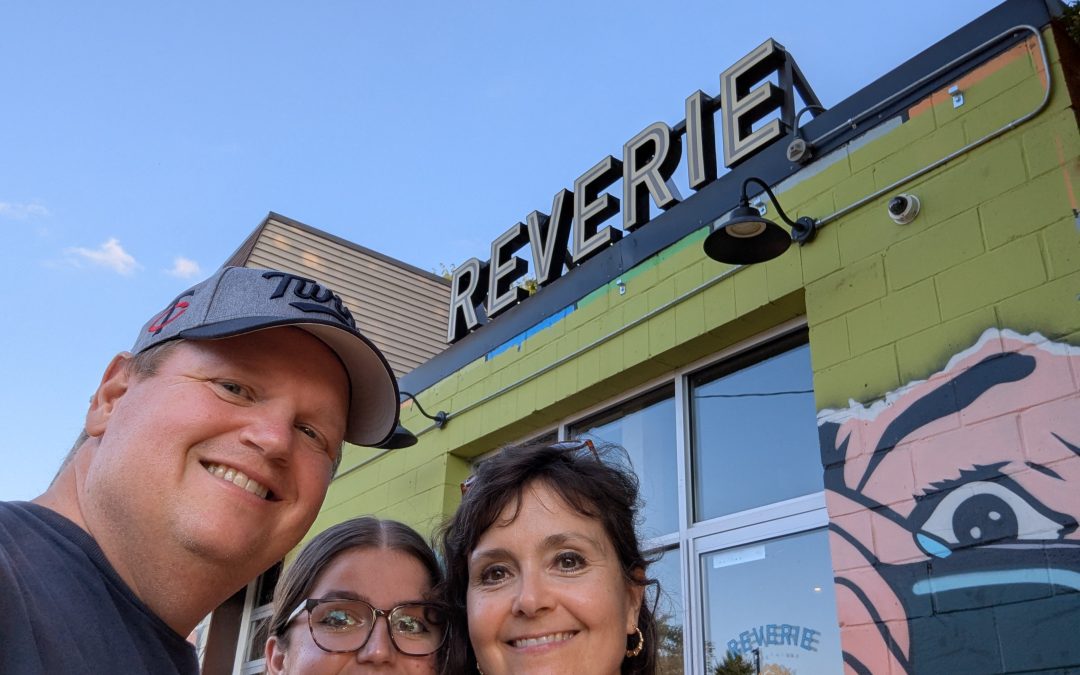
With so many creative vegan dishes to explore, picking favorites wasn’t easy. But one dish stood out strongly for Rebecca: “Reverie’s taco — that was so bomb I literally crave it every day.”
Lots of other diners agreed with Rebecca’s choice, as Reverie’s dish was the second-place winner this year!
Stephanie and Greg shared several favorites too, ranging from comfort-food classics to inventive, chef-driven dishes. They agreed that this year’s challenge offered even more creativity than last year.
Greg told us: “my top three were the Burnt End Tacos at Reverie, the Crispy Chicken Rice Bowl at Food on the Fly and the Masala Fire Tacos at Namaste.” Many other diners in the Challenge agreed, as these were the top restaurants in the ratings! Stephanie loved the Reverie dish too, plus: “I also loved Tori Ramen’s Hobak Buchim – a zucchini pancake made with baby Korean pumpkin, garnished with avocado and seaweed. This was such an impeccably plated, superbly delicious gourmet dish!”
What the Lundquists enjoyed most in the restaurant choices:
bold flavors
friendly staff
beautifully presented dishes
thoughtful, plant-based innovation
“It’s cool to talk to chefs and hear the story behind each dish,” Rebecca said. “You can tell how proud they are.”
The Lundquists’ Biggest Takeaways From This Year’s Challenge
This year’s Challenge opened the family’s eyes even more to the growing vegan food scene in the Twin Cities. “There are a lot more restaurants in the Twin Cities that have vegan options than I thought,” Rebecca said.
Greg noted “Love the challenge! Love hanging out with family and guest judges! This year there was really a step up in creativity. A vegan sunny side up egg?? Amazing!”
Stephanie shared: “What I look forward to the most about the Vegan Chef Challenge is spending time with my family, trying creative and delicious foods and completing the adventure together.”
Sharing the Journey on Social Media
If you want to see Rebecca’s reviews, she shared each dish — and a final recap — on TikTok:
“I made TikTok reviews of each dish and a recap of my favorites,” she said. “I love making videos and I got a lot of comments and interest from people.”
She didn’t win any prizes this year, but she’s hopeful for next year. “I hope they include TikTok posting next year!”
Greg however, got lucky and won a $25 gift card to Craft and Crew for posting on Facebook!
Stephanie also shared some of her posts on the Challenge:
Will the Lundquists Take on the Challenge Again Next Year?
Yes — without hesitation, the Lundquist family plans to take on the Challenge again next year.
“It’s become something we look forward to,” Stephanie said. Greg nodded, saying that it’s now a family tradition.
Rebecca added her reason for doing it all again, “Trying more great food and bringing more non-vegans to try out some bomb dishes!”
The Lundquists have turned the Challenge into a shared experience full of laughter, new flavors, and meaningful time together. Their story shows how food can bring people closer — one delicious dish at a time.